
Environment
Environmental Benefits
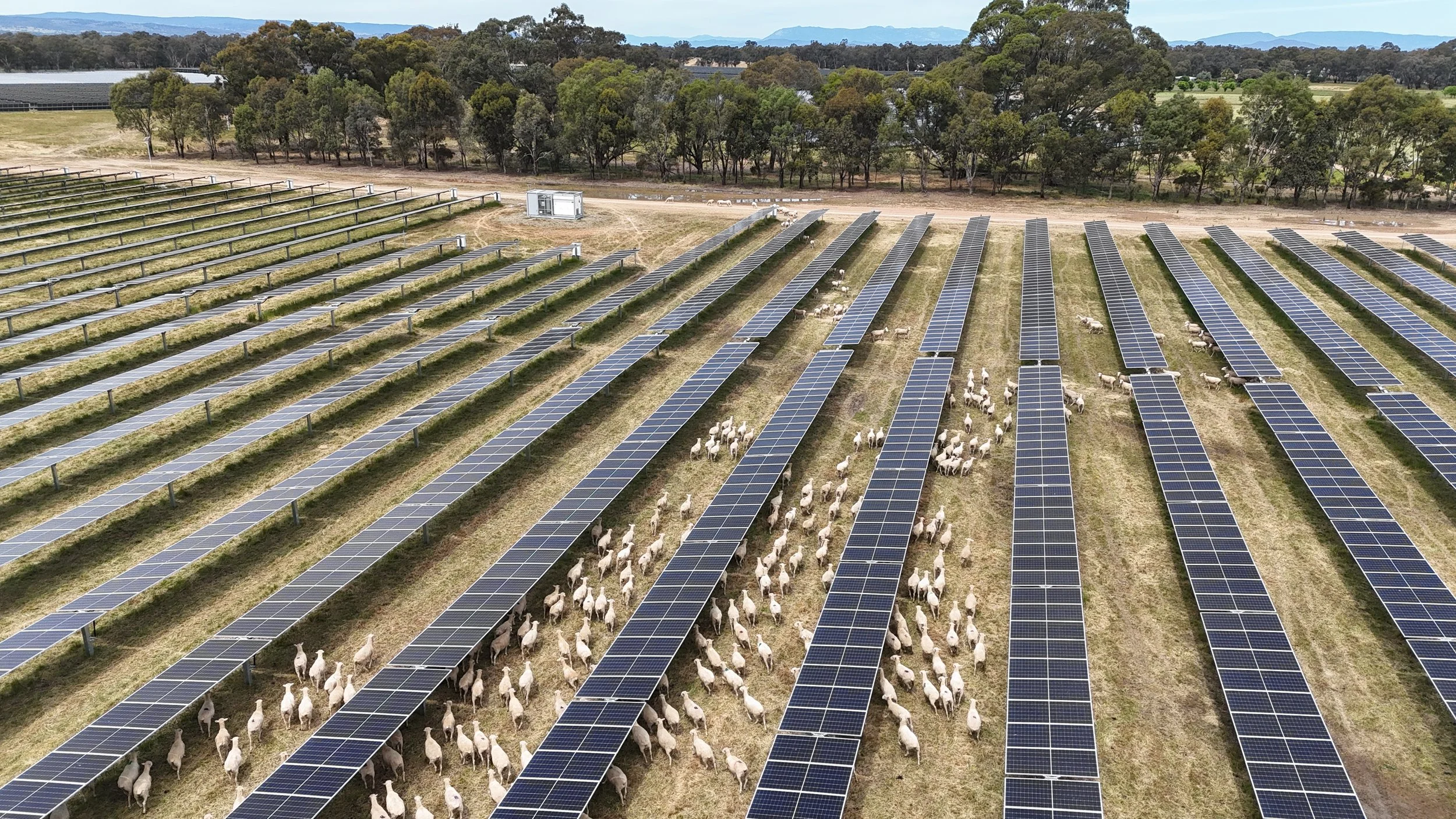
Wangaratta Solar Farm has been designed to deliver meaningful environmental benefits at both a local and broader scale, from reducing emissions and supporting renewable integration, to protecting the natural environment and taking a careful approach to land use over the life of the project.
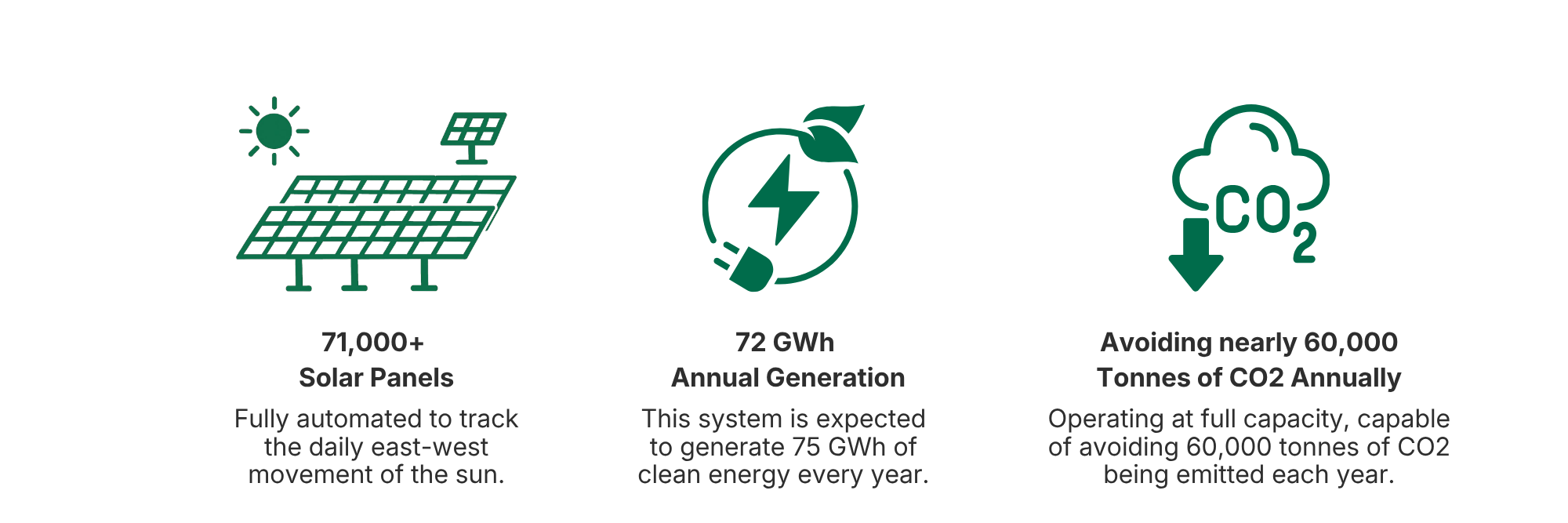
By generating approximately 72,000 MWh of renewable electricity each year, Wangaratta Solar Farm will make a significant contribution to reducing emissions from the electricity system. Once fully operational, the project is expected to offset close to 60,000 tonnes of CO2 annually, equivalent to powering more than 16,000 average Australian homes with clean energy.
Enhancing the Natural Environment
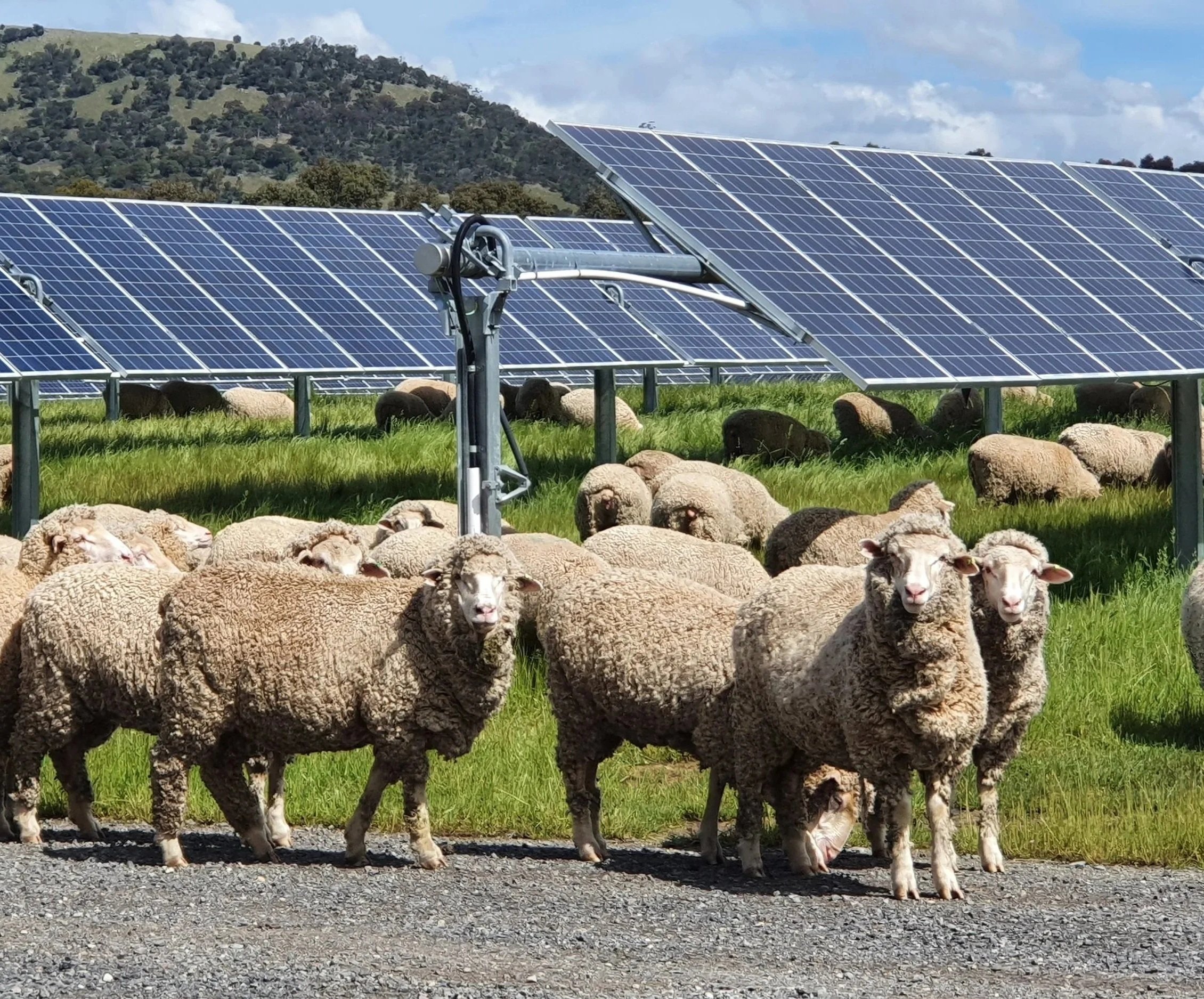
In addition to avoiding and minimising impacts, the Wangaratta Solar Farm project also includes significant measures intended to improve the site’s long-term ecological function.
Our Biodiversity Action Plan sets out an ambition to enhance biodiversity value and ecological functioning across the site over the life of the project, with the goal of delivering biodiversity net gain over time.
Land management initiatives include perimeter planting, designed to connect with retained large old trees and attract woodland birds, while the existing east-west revegetation corridor will be strengthened with winter-flowering shrub species to provide a better feeding resource for native birds and mammals.
Environmental outcomes will be supported through ongoing management and monitoring. Baseline soil sampling was done early on in the development of this project to help establish an initial profile for the site, and biodiversity and soil assessments are intended to be repeated every five years after construction. This approach helps ensure environmental performance can be tracked, measured and improved over time.